Film Noir- A French term meaning "black film," or film of the night, inspired by the Series Noir, a line of cheap paperbacks that translated hard-boiled American crime authors and found a popular audience in France.
Most Noir style films at no time lead you to believe that the story will end with a "happy ending". They often use locations that reek of the night, of shadows, of alleys, of the back doors of fancy places, of apartment buildings with a high turnover rate, of taxi drivers and bartenders who have seen it all. Another major part is using cigarettes, they are used in nearly every noir style film and create a good effect. We will include this in our film as the main character will smoke a cigarette on the roof of the car park. Often the characters used stick to a certain stereotype. For women: low necklines, floppy hats, mascara, lipstick, dressing rooms, boudoirs, calling the doorman by his first name, high heels, red dresses, elbowlength gloves, mixing drinks, having gangsters as boyfriends, having soft spots for alcoholic private eyes, wanting a lot of someone else's women, sprawling dead on the floor with every limb meticulously arranged and every hair in place. For men: fedoras, suits and ties, shabby residential hotels with a neon sign blinking through the window, buying yourself a drink out of the office bottle, cars with running boards, all-night diners, protecting kids who shouldn't be playing with the big guys, being on first-name terms with homicide cops, knowing a lot of people whose descriptions end in "ies," such as bookies, newsies, junkies, alkys, jockeys and cabbies. This genre often fits better with American style films.
During and following the second world war audiences responded to this fresh and adult orientated type of film, the studios began making various types of thrillers and murder drama's with particularly dark storylines.Few, if any of the artists in Hollywood who made these films called them “noir” at the time. But the vivid co-mingling of lost innocence, doomed romanticism, hard-edged cynicism, desperate desire, and shadowy sexuality that was unleashed in those immediate post-war years proved hugely influential, both among industry peers in the original era, and to future generation of storytellers, both literary and cinematic.
Tuesday, 27 October 2015

Thursday, 22 October 2015
Practice short
Over a long weekend we created a short film, titled 'The Window' to practice the techniques that we will be using in our final film, particularly lighting.
For most of the film, we used a set up like this.
 We made a DIY light diffuser by cutting both sides from an old tin, and covering the front with kitchen roll. We then put this over the bulb on our clamp light to create a softer light, as the naked bulb was far to bright and casting shadows from the shape of the bulb onto the scene. We opted to using only one light, as it was difficult for us to operate with any more as there was only 2 of us working on the film. We also began to develop a style of noir lighting which was easy to do with one light, although it will be much better when we are using 2 lights se we can use a back light as well as a key light.
We decided to write a very simple plot so we could focus on the production and post production (lighting and cinematography in particular) to practice for our final film, rather than spending a long time writing, storyboarding etc.
For most of the film, we used a set up like this.

We decided to write a very simple plot so we could focus on the production and post production (lighting and cinematography in particular) to practice for our final film, rather than spending a long time writing, storyboarding etc.
Wednesday, 14 October 2015
Props
Props
In the production of our film we will need a number of props, however, the props we require will not be difficult to access as they mostly consist of objects found in most households. Usually, clothing can often be a difficult in terms of finding the perfect outfit without spending too much money. Fortunatley, our character will be dressed in a simple white shirt and black tie.
Props:
- Cigarette- The opening scene consists of the main character smoking a cigarette. We will be able to purchase a packet of cigarettes from most shops or even borrow one from a friend/family member. If our actor does not wish to smoke a real cigarette we would likely have to use a fake vapour cigarette but we would like the film to look as authentic as possible.

- An obvious prop that we will require is a desktop computer (PC). We have made an arrangement with college to give us some old computers that were to originally be thrown away. As the computer moniter will be smashed, we will have to mention this on a risk assessment.

- Clothing: As previously mentioned, Stanley will be wearing a plain white shirt with a black tie and black trousers. His clothes will be messy and look very similar to Edward Norton's Character ('The Narrator') in Fight Club. It is likely that we will have access to these clothes at home but if not, they can be easily purchased from most shops.

- Digital clock- Again, this would quite easy to come by, there may be one available at someone's home. If not I imagine that we would find one in an appropriate shop for a fairly low price.

- Hoodie- A black hoodie would be very easy to access and is very likely that one of our group members own one, myself included.

- Dial Phone- To purchase a new Dial Phone would be quite expensive. However, there may be some non-functioning ones in an antiques store, although this could be still somewhat costly but would be much better than buying a brand new working one. If we are unable to access a Dial Phone we will likely use a regular telephone (not mobile phone).

Monday, 12 October 2015
Brief History of Film Noir
Film Noir was mainly influenced by German expressionism in terms of aesthetics. German expressionism was an artistic movement, originating in Germany, in the 1910s and was a result of the isolation that Germany experienced due to the First World War. Foreign films were banned in Germany so the demand for cinema greatly increased which led the domestic production of films, which started in 1914. Moreover, inflation was increasing which meant that the value of German citizen's money was diminishing. Because of this, Germans were attending films much more freely.
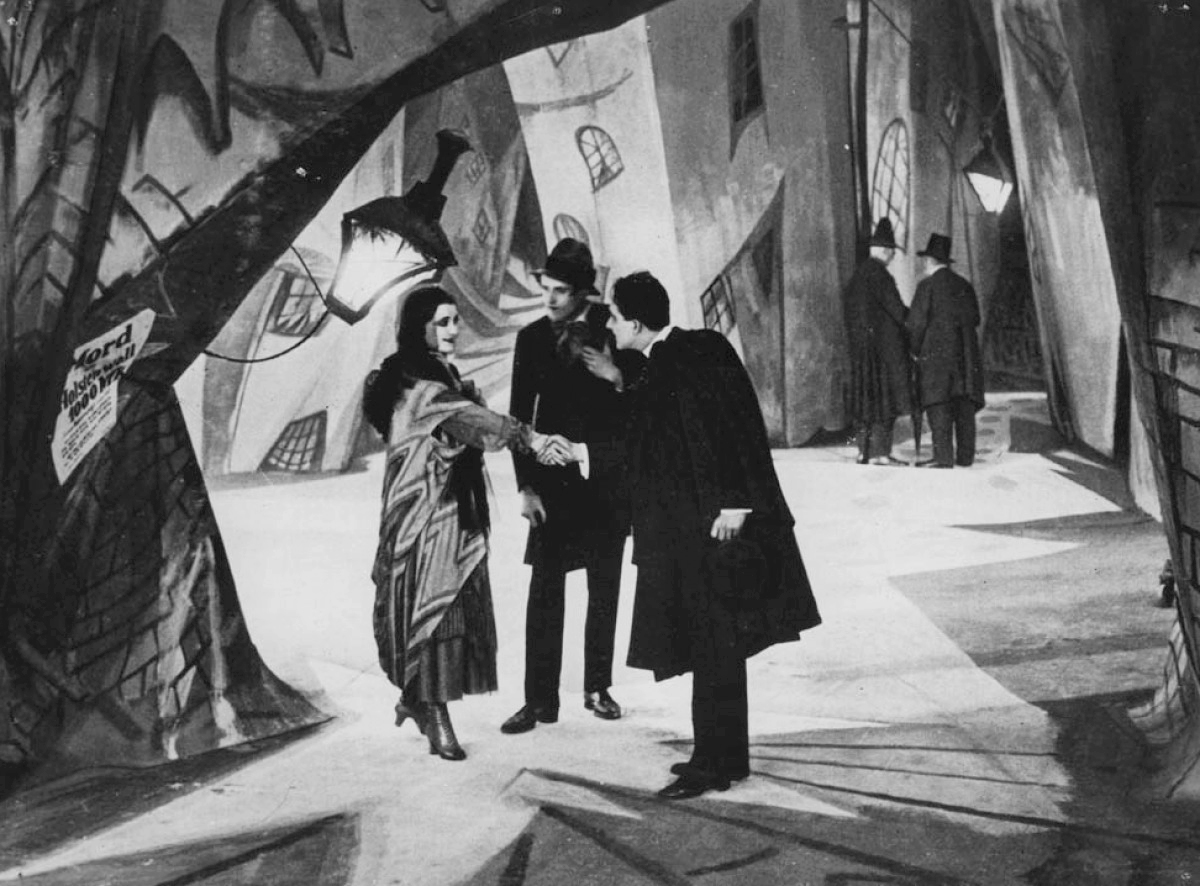
Naturally, the films became very popular in Germany as they acknowledge the huge demand for film. However, by 1922, they became widely popular on an international scale and were appreciated quite well. Also, there was less negativity felt towards Germany as the end of World War One came around.
 Early expressionist films didn't have a great budget which made for fairly surreal set design, often consisting of geometric patterns, and obscure camera angles. However, an interesting notion of these films was that lights and shadows had to be painted on the sets as the low budgets limited the ability of using technical equipment to create realistic lighting. The plots dealt with overtly emotional themes, mainly that of madness and insanity.
Film Noir adopted this gloomy style of German expressionism. Noir Films had low budgets and often had to reuse sets, this meant that filmmakers had to rely on shadows to mask various elements that would give these inconsistencies away. Also, as done in expressionist cinema, obscure camera angles were used to convey the heavy emotional themes of the films.

Naturally, the films became very popular in Germany as they acknowledge the huge demand for film. However, by 1922, they became widely popular on an international scale and were appreciated quite well. Also, there was less negativity felt towards Germany as the end of World War One came around.
Film Noir adopted this gloomy style of German expressionism. Noir Films had low budgets and often had to reuse sets, this meant that filmmakers had to rely on shadows to mask various elements that would give these inconsistencies away. Also, as done in expressionist cinema, obscure camera angles were used to convey the heavy emotional themes of the films.
Wednesday, 7 October 2015
Possible Distributor
Shorts International is an independent UK film distributor which focuses on primarily short films. They distribute short films to Europe, Asia and the US, which would help further our market.
However, we would be more likely to rely on social media websites such as YouTube, Vimeo and Facebook for the distribution of our film as it is unlikely that physical distribution (whether it be DVDs, or distributing to theatres) would ever be required with a short film. Social media would allow us to reach masses of people with no cost, especially desirable for an independent film. Whereas distributing physical copies of the film and physical promotion materials (e.g. posters) would be very costly.
However, we would be more likely to rely on social media websites such as YouTube, Vimeo and Facebook for the distribution of our film as it is unlikely that physical distribution (whether it be DVDs, or distributing to theatres) would ever be required with a short film. Social media would allow us to reach masses of people with no cost, especially desirable for an independent film. Whereas distributing physical copies of the film and physical promotion materials (e.g. posters) would be very costly.
Friday, 2 October 2015
Similar Short Films
Darkened Room
Darkened Room is a short film by David Lynch. It is similar in style to our film as it creates a very dark and unsettling atmosphere in a single isolated location. This is achived through its long takes, mystery in regards to narrative and constant diegetic noises. We can utilise these methods ourselves to achieve a similar mood and atmosphere.
Darkened Room is a short film by David Lynch. It is similar in style to our film as it creates a very dark and unsettling atmosphere in a single isolated location. This is achived through its long takes, mystery in regards to narrative and constant diegetic noises. We can utilise these methods ourselves to achieve a similar mood and atmosphere.
Research into similar films
Similar Films
The Shining (Stanley Kubrick, 1980). In terms of narrative, The Shining is hugely similar to our film. The exploration of mental decline and psychotic happenings are prominent in The Shining as well as our film. However, the more concise similarity is the theme of writer's block and its impacts on a persons mental state. Although The Shining includes more paranormal/supernatural elements and horror-based themes, the iconography on conventions transfer to our film fairly potently. Moreover, Kubrick's distinct style of cold, bleak imagery is something we also hope to incorperate along with the film Noir look.
Pi (Darren Aronofsky, 1998). Pi is of a similar genre to our film and, therefore, has similar conventions. Again, the obvious being mental decline. As previously mentioned, Pi has similar visuals to how we hope to shoot our film, although the blacks in our film will not be as deep and of as high contrast. Pi also follows the theme of obsession and infatuation with a certain task, and how the stress and difficulty of achieving this particular goal affects a person.
Memento (Christopher Nolan, 2000). Nolan's psychological thriller follows the mental torment of a man with amnesia trying to find his wife's killer. Again, the themes portrayed in this film are similar to that of ours and employ similar conventions. The tone of Memento is also similar to what we aim to achieve.

Thursday, 1 October 2015
Research into certificate of film
The BBFC is an official organisation that classifys films to protect children from harmfull and unsuitable content in films. It also gives consumers information they might want to know about a particular film before they view it.
 U- the U sysmbol stands for universal, this means it should be suitable for audiences aged four and over. However, it is impossible to predict what might upset a particular child, especially at this lower end of the category range. At U only infrequent use of very mild bad language is allowed. (e.g. ‘damn’ and ‘hell’). Characters may be seen kissing or cuddling and there may be
references to sexual behaviour. However, there will be no overt focus on
sexual behaviour, language or innuendo. Sex and sex references are treated the same irrespective of sexuality so there could be mild or undetailed references at U. Violence will generally be very mild. A U film may include brief
fight scenes or moments where characters are placed in danger. However,
moments of emotional stress or threat will be quickly resolved and the
outcome will be reassuring. There may be brief scary scenes and
moments where the characters are placed in danger. As with violence, however, these scenes will be balanced by reassuring elements, such as
comic interludes or music.
U- the U sysmbol stands for universal, this means it should be suitable for audiences aged four and over. However, it is impossible to predict what might upset a particular child, especially at this lower end of the category range. At U only infrequent use of very mild bad language is allowed. (e.g. ‘damn’ and ‘hell’). Characters may be seen kissing or cuddling and there may be
references to sexual behaviour. However, there will be no overt focus on
sexual behaviour, language or innuendo. Sex and sex references are treated the same irrespective of sexuality so there could be mild or undetailed references at U. Violence will generally be very mild. A U film may include brief
fight scenes or moments where characters are placed in danger. However,
moments of emotional stress or threat will be quickly resolved and the
outcome will be reassuring. There may be brief scary scenes and
moments where the characters are placed in danger. As with violence, however, these scenes will be balanced by reassuring elements, such as
comic interludes or music.
‘Baddie’ characters may carry or use weapons, but there will be no emphasis on these. Child or ‘hero’ characters are unlikely to use any kind of weapon outside, for example, historical settings.
 PG- the PG symbol stands for parental guidence, this means a film is suitable for general viewing however some scenes may be unsuitable for young children. No PG film should contain content that unsettles a child aged eight or older. Parents are responsible for weather they feel the content of the film will upset their child for example if they are younger or more sensitive. Not all PG films are for the younger audience however, some films are aimed at older audiences but are given a PG certificate for example the film National Treasure:Book of Secrets but nothing in the film would upset a child aged eight or older. There may be mild bad language (such as ‘shit’ or ‘son of a bitch’) in a
PG film, but the context and delivery are always important. For
example, if the language is used aggressively or if there is a great
deal of bad language, a work may be passed at a higher category. Sex references are unlikely unless they are undetailed and
infrequent. In addition, if a child is unlikely to understand a
reference, we may allow it at PG. Comedy can also often lessen the
impact of sex references and innuendo. Sex and sex references are treated the same irrespective of sexuality so there could be mild or undetailed references at PG. Violence will usually be mild. There should be no detail of violence
in a PG work, so while there might be some blood, we would not see how
the injury was inflicted in strong detail. Violence is generally more
acceptable in a historical, comedic or fantasy setting, because of the
distancing that this provides. It isn’t uncommon for PG films to feature
‘roller-coaster’ action or set pieces, where the emphasis is clearly on
the adventure or journey of the main characters rather than the detail
of violence or fighting.
PG- the PG symbol stands for parental guidence, this means a film is suitable for general viewing however some scenes may be unsuitable for young children. No PG film should contain content that unsettles a child aged eight or older. Parents are responsible for weather they feel the content of the film will upset their child for example if they are younger or more sensitive. Not all PG films are for the younger audience however, some films are aimed at older audiences but are given a PG certificate for example the film National Treasure:Book of Secrets but nothing in the film would upset a child aged eight or older. There may be mild bad language (such as ‘shit’ or ‘son of a bitch’) in a
PG film, but the context and delivery are always important. For
example, if the language is used aggressively or if there is a great
deal of bad language, a work may be passed at a higher category. Sex references are unlikely unless they are undetailed and
infrequent. In addition, if a child is unlikely to understand a
reference, we may allow it at PG. Comedy can also often lessen the
impact of sex references and innuendo. Sex and sex references are treated the same irrespective of sexuality so there could be mild or undetailed references at PG. Violence will usually be mild. There should be no detail of violence
in a PG work, so while there might be some blood, we would not see how
the injury was inflicted in strong detail. Violence is generally more
acceptable in a historical, comedic or fantasy setting, because of the
distancing that this provides. It isn’t uncommon for PG films to feature
‘roller-coaster’ action or set pieces, where the emphasis is clearly on
the adventure or journey of the main characters rather than the detail
of violence or fighting.
As far as threat and horror goes, we allow some 'jump' moments and frightening sequences as long as they are not prolonged or intense.. Fantasy settings may again be a factor in the treatment of such content.

 12 and 12A- Films classified 12A and video works classified 12 contain material that
is not generally suitable for children aged under 12. No one younger
than 12 may see a 12A film in a cinema unless accompanied by an adult.
Adults planning to take a child under 12 to view a 12A film should
consider whether the film is suitable for that child. To help parents and guardians decide the BBFC have created a 12A insight video to show them what may be shown in a 12A film. The 12A requires an adult to accompany any child under 12 seeing a 12A
film at the cinema. This is enforced by cinema staff and a cinema may
lose its license if adult accompaniment is not enforced for children
under 12 admitted to a 12A film. Accompanied viewing cannot be enforced
in the home, so the 12 certificate remains for DVD/Blu-ray, rather than
the 12A. The 12 is also a simpler system for retailers. It means they
cannot sell or rent the item unless the customer is over the age of 12. Adults planning to take a child under 12 to view a 12A film should consider whether the film is suitable for that child. The overall tone of a film or video, and the way it makes the audience
feel may affect the classification. For example, a work which has a very
dark or unsettling tone which could disturb the audience would be less
likely to be passed 12A even if the individual issues in the film were
considered acceptable under the BBFC Guidelines. Similarly, if a work is
particularly positive or reassuring this may stop it being pushed up a
category from 12A to 15. The BBFC's Guidelines state that strong language (e.g. 'f***') may be
passed at 12 or 12A, depending on the manner in which it is used, who is
using the language, its frequency and any special contextual
justification. Aggressive uses of strong language may result in a film
or DVD being placed at the 15 category. There is some allowance for puns
on strong language at this category. There may be moderate language (e.g. uses of terms such as ‘bitch’ and ‘twat’ at 12 or 12A). Any discriminatory language or behaviour will not be endorsed by the
work as a whole. Aggressive discriminatory language (for example
homophobic or racist terms) is unlikely to be passed at 12A or 12 unless
it is clearly condemned. Sex may be briefly and discreetly portrayed at 12A or 12. Verbal sex
references should not go beyond what is suitable for young teenagers.
Comedy may lessen the impact of some moderate sex references or innuendo
but frequent crude sex references are unlikely to be accepted at this
category. There may be nudity in 12A films but nudity in a sexual
context should only be brief and discreet.t 12A, moderate violence is allowed but it should not dwell on
detail. There should be no emphasis on injuries or blood, but occasional
gory moments may be permitted if they can be justified by their context
(for example brief sight of bloody injury in a medical drama). Action
sequences and weapons may be present at 12A or 12, and there may be
long fight scenes or similar. Weapons which might be easily accessible
to 12 year olds (such as knives) should not be glamorised in 12A and 12
works. Sexual violence, such as scenes of rape or assault, may
only be implied or briefly and discreetly indicated at 12A and 12. Such
scenes must also have a strong contextual justification.
12 and 12A- Films classified 12A and video works classified 12 contain material that
is not generally suitable for children aged under 12. No one younger
than 12 may see a 12A film in a cinema unless accompanied by an adult.
Adults planning to take a child under 12 to view a 12A film should
consider whether the film is suitable for that child. To help parents and guardians decide the BBFC have created a 12A insight video to show them what may be shown in a 12A film. The 12A requires an adult to accompany any child under 12 seeing a 12A
film at the cinema. This is enforced by cinema staff and a cinema may
lose its license if adult accompaniment is not enforced for children
under 12 admitted to a 12A film. Accompanied viewing cannot be enforced
in the home, so the 12 certificate remains for DVD/Blu-ray, rather than
the 12A. The 12 is also a simpler system for retailers. It means they
cannot sell or rent the item unless the customer is over the age of 12. Adults planning to take a child under 12 to view a 12A film should consider whether the film is suitable for that child. The overall tone of a film or video, and the way it makes the audience
feel may affect the classification. For example, a work which has a very
dark or unsettling tone which could disturb the audience would be less
likely to be passed 12A even if the individual issues in the film were
considered acceptable under the BBFC Guidelines. Similarly, if a work is
particularly positive or reassuring this may stop it being pushed up a
category from 12A to 15. The BBFC's Guidelines state that strong language (e.g. 'f***') may be
passed at 12 or 12A, depending on the manner in which it is used, who is
using the language, its frequency and any special contextual
justification. Aggressive uses of strong language may result in a film
or DVD being placed at the 15 category. There is some allowance for puns
on strong language at this category. There may be moderate language (e.g. uses of terms such as ‘bitch’ and ‘twat’ at 12 or 12A). Any discriminatory language or behaviour will not be endorsed by the
work as a whole. Aggressive discriminatory language (for example
homophobic or racist terms) is unlikely to be passed at 12A or 12 unless
it is clearly condemned. Sex may be briefly and discreetly portrayed at 12A or 12. Verbal sex
references should not go beyond what is suitable for young teenagers.
Comedy may lessen the impact of some moderate sex references or innuendo
but frequent crude sex references are unlikely to be accepted at this
category. There may be nudity in 12A films but nudity in a sexual
context should only be brief and discreet.t 12A, moderate violence is allowed but it should not dwell on
detail. There should be no emphasis on injuries or blood, but occasional
gory moments may be permitted if they can be justified by their context
(for example brief sight of bloody injury in a medical drama). Action
sequences and weapons may be present at 12A or 12, and there may be
long fight scenes or similar. Weapons which might be easily accessible
to 12 year olds (such as knives) should not be glamorised in 12A and 12
works. Sexual violence, such as scenes of rape or assault, may
only be implied or briefly and discreetly indicated at 12A and 12. Such
scenes must also have a strong contextual justification.
 15- No-one under 15 is allowed to see a 15 film at the cinema or buy/rent a
15 rated video. 15 rated works are not suitable for children under 15
years of age. No theme is prohibited, provided the treatment is appropriate for 15 year olds. 15 rated films may show content including,strong violence, frequent strong language (e.g. 'f***'), portrayals of sexual activity, strong verbal references to sex, sexual nudity, brief scenes of sexual violence or verbal references to sexual violence, discriminatory language or behaviour and drug taking. At 15 there is no upper limit on the number of uses of strong language (e.g. ‘f***’). Occasionally
there may be uses of the strongest terms (e.g. 'c***'), depending on
the manner in which they are used, who is using the language, its
frequency and any special contextual justification. However, continued
or aggressive use will not normally be passed 15. There may be racist, homophobic or other discriminatory language, and the work could explore themes relating to this.
15- No-one under 15 is allowed to see a 15 film at the cinema or buy/rent a
15 rated video. 15 rated works are not suitable for children under 15
years of age. No theme is prohibited, provided the treatment is appropriate for 15 year olds. 15 rated films may show content including,strong violence, frequent strong language (e.g. 'f***'), portrayals of sexual activity, strong verbal references to sex, sexual nudity, brief scenes of sexual violence or verbal references to sexual violence, discriminatory language or behaviour and drug taking. At 15 there is no upper limit on the number of uses of strong language (e.g. ‘f***’). Occasionally
there may be uses of the strongest terms (e.g. 'c***'), depending on
the manner in which they are used, who is using the language, its
frequency and any special contextual justification. However, continued
or aggressive use will not normally be passed 15. There may be racist, homophobic or other discriminatory language, and the work could explore themes relating to this.
However, at 15 the work as a whole must not endorse discriminatory language or behaviour. At 15 sexual activity can be portrayed, but usually without strong detail. Some sex scenes can be quite long at this category. Though nudity may be allowed in a sexual context there will usually be no strong detail. There are no constraints on nudity in a non-sexual or educational context. There can be strong references to sex and sexual behaviour, but especially strong or crude references are unlikely to be acceptable unless justified by context.
 18-Films rated 18 are for adults. No-one under 18 is allowed to see an 18
film at the cinema or buy / rent an 18 rated video. No 18 rated works
are suitable for children. No theme is prohibited at 18. Adults are free to choose their own
entertainment provided the material is not illegal or potentially
harmful, so it is possible some themes tackled at 18 may be offensive
even to some adult viewers. There is no limit on the number of uses of strong (e.g. 'f***') or even
very strong language (e.g. ‘c***’) which can be passed at 18. Uses could
be aggressive, directed, frequent or accompanied by strong violence. There may be racist, homophobic or other discriminatory language at
18, and the work could explore themes relating to discrimination. Though
a work as a whole must not be in breach of any relevant legislation, it
is possible for discriminatory language or themes to be the main focus
of the work, and for main characters to engage in discriminatory
behaviour. There can be strong and detailed portrayals of sex at 18, including
full nudity. There are no constraints on nudity in a non-sexual or
educational context.
18-Films rated 18 are for adults. No-one under 18 is allowed to see an 18
film at the cinema or buy / rent an 18 rated video. No 18 rated works
are suitable for children. No theme is prohibited at 18. Adults are free to choose their own
entertainment provided the material is not illegal or potentially
harmful, so it is possible some themes tackled at 18 may be offensive
even to some adult viewers. There is no limit on the number of uses of strong (e.g. 'f***') or even
very strong language (e.g. ‘c***’) which can be passed at 18. Uses could
be aggressive, directed, frequent or accompanied by strong violence. There may be racist, homophobic or other discriminatory language at
18, and the work could explore themes relating to discrimination. Though
a work as a whole must not be in breach of any relevant legislation, it
is possible for discriminatory language or themes to be the main focus
of the work, and for main characters to engage in discriminatory
behaviour. There can be strong and detailed portrayals of sex at 18, including
full nudity. There are no constraints on nudity in a non-sexual or
educational context.
Very strong, crude and explicit sex references are permitted at 18. An 18 film or video might also contain depictions of real sex, as long as the film or video is not a sex work.
‘Baddie’ characters may carry or use weapons, but there will be no emphasis on these. Child or ‘hero’ characters are unlikely to use any kind of weapon outside, for example, historical settings.
 PG- the PG symbol stands for parental guidence, this means a film is suitable for general viewing however some scenes may be unsuitable for young children. No PG film should contain content that unsettles a child aged eight or older. Parents are responsible for weather they feel the content of the film will upset their child for example if they are younger or more sensitive. Not all PG films are for the younger audience however, some films are aimed at older audiences but are given a PG certificate for example the film National Treasure:Book of Secrets but nothing in the film would upset a child aged eight or older. There may be mild bad language (such as ‘shit’ or ‘son of a bitch’) in a
PG film, but the context and delivery are always important. For
example, if the language is used aggressively or if there is a great
deal of bad language, a work may be passed at a higher category. Sex references are unlikely unless they are undetailed and
infrequent. In addition, if a child is unlikely to understand a
reference, we may allow it at PG. Comedy can also often lessen the
impact of sex references and innuendo. Sex and sex references are treated the same irrespective of sexuality so there could be mild or undetailed references at PG. Violence will usually be mild. There should be no detail of violence
in a PG work, so while there might be some blood, we would not see how
the injury was inflicted in strong detail. Violence is generally more
acceptable in a historical, comedic or fantasy setting, because of the
distancing that this provides. It isn’t uncommon for PG films to feature
‘roller-coaster’ action or set pieces, where the emphasis is clearly on
the adventure or journey of the main characters rather than the detail
of violence or fighting.
PG- the PG symbol stands for parental guidence, this means a film is suitable for general viewing however some scenes may be unsuitable for young children. No PG film should contain content that unsettles a child aged eight or older. Parents are responsible for weather they feel the content of the film will upset their child for example if they are younger or more sensitive. Not all PG films are for the younger audience however, some films are aimed at older audiences but are given a PG certificate for example the film National Treasure:Book of Secrets but nothing in the film would upset a child aged eight or older. There may be mild bad language (such as ‘shit’ or ‘son of a bitch’) in a
PG film, but the context and delivery are always important. For
example, if the language is used aggressively or if there is a great
deal of bad language, a work may be passed at a higher category. Sex references are unlikely unless they are undetailed and
infrequent. In addition, if a child is unlikely to understand a
reference, we may allow it at PG. Comedy can also often lessen the
impact of sex references and innuendo. Sex and sex references are treated the same irrespective of sexuality so there could be mild or undetailed references at PG. Violence will usually be mild. There should be no detail of violence
in a PG work, so while there might be some blood, we would not see how
the injury was inflicted in strong detail. Violence is generally more
acceptable in a historical, comedic or fantasy setting, because of the
distancing that this provides. It isn’t uncommon for PG films to feature
‘roller-coaster’ action or set pieces, where the emphasis is clearly on
the adventure or journey of the main characters rather than the detail
of violence or fighting. As far as threat and horror goes, we allow some 'jump' moments and frightening sequences as long as they are not prolonged or intense.. Fantasy settings may again be a factor in the treatment of such content.
 12 and 12A- Films classified 12A and video works classified 12 contain material that
is not generally suitable for children aged under 12. No one younger
than 12 may see a 12A film in a cinema unless accompanied by an adult.
Adults planning to take a child under 12 to view a 12A film should
consider whether the film is suitable for that child. To help parents and guardians decide the BBFC have created a 12A insight video to show them what may be shown in a 12A film. The 12A requires an adult to accompany any child under 12 seeing a 12A
film at the cinema. This is enforced by cinema staff and a cinema may
lose its license if adult accompaniment is not enforced for children
under 12 admitted to a 12A film. Accompanied viewing cannot be enforced
in the home, so the 12 certificate remains for DVD/Blu-ray, rather than
the 12A. The 12 is also a simpler system for retailers. It means they
cannot sell or rent the item unless the customer is over the age of 12. Adults planning to take a child under 12 to view a 12A film should consider whether the film is suitable for that child. The overall tone of a film or video, and the way it makes the audience
feel may affect the classification. For example, a work which has a very
dark or unsettling tone which could disturb the audience would be less
likely to be passed 12A even if the individual issues in the film were
considered acceptable under the BBFC Guidelines. Similarly, if a work is
particularly positive or reassuring this may stop it being pushed up a
category from 12A to 15. The BBFC's Guidelines state that strong language (e.g. 'f***') may be
passed at 12 or 12A, depending on the manner in which it is used, who is
using the language, its frequency and any special contextual
justification. Aggressive uses of strong language may result in a film
or DVD being placed at the 15 category. There is some allowance for puns
on strong language at this category. There may be moderate language (e.g. uses of terms such as ‘bitch’ and ‘twat’ at 12 or 12A). Any discriminatory language or behaviour will not be endorsed by the
work as a whole. Aggressive discriminatory language (for example
homophobic or racist terms) is unlikely to be passed at 12A or 12 unless
it is clearly condemned. Sex may be briefly and discreetly portrayed at 12A or 12. Verbal sex
references should not go beyond what is suitable for young teenagers.
Comedy may lessen the impact of some moderate sex references or innuendo
but frequent crude sex references are unlikely to be accepted at this
category. There may be nudity in 12A films but nudity in a sexual
context should only be brief and discreet.t 12A, moderate violence is allowed but it should not dwell on
detail. There should be no emphasis on injuries or blood, but occasional
gory moments may be permitted if they can be justified by their context
(for example brief sight of bloody injury in a medical drama). Action
sequences and weapons may be present at 12A or 12, and there may be
long fight scenes or similar. Weapons which might be easily accessible
to 12 year olds (such as knives) should not be glamorised in 12A and 12
works. Sexual violence, such as scenes of rape or assault, may
only be implied or briefly and discreetly indicated at 12A and 12. Such
scenes must also have a strong contextual justification.
12 and 12A- Films classified 12A and video works classified 12 contain material that
is not generally suitable for children aged under 12. No one younger
than 12 may see a 12A film in a cinema unless accompanied by an adult.
Adults planning to take a child under 12 to view a 12A film should
consider whether the film is suitable for that child. To help parents and guardians decide the BBFC have created a 12A insight video to show them what may be shown in a 12A film. The 12A requires an adult to accompany any child under 12 seeing a 12A
film at the cinema. This is enforced by cinema staff and a cinema may
lose its license if adult accompaniment is not enforced for children
under 12 admitted to a 12A film. Accompanied viewing cannot be enforced
in the home, so the 12 certificate remains for DVD/Blu-ray, rather than
the 12A. The 12 is also a simpler system for retailers. It means they
cannot sell or rent the item unless the customer is over the age of 12. Adults planning to take a child under 12 to view a 12A film should consider whether the film is suitable for that child. The overall tone of a film or video, and the way it makes the audience
feel may affect the classification. For example, a work which has a very
dark or unsettling tone which could disturb the audience would be less
likely to be passed 12A even if the individual issues in the film were
considered acceptable under the BBFC Guidelines. Similarly, if a work is
particularly positive or reassuring this may stop it being pushed up a
category from 12A to 15. The BBFC's Guidelines state that strong language (e.g. 'f***') may be
passed at 12 or 12A, depending on the manner in which it is used, who is
using the language, its frequency and any special contextual
justification. Aggressive uses of strong language may result in a film
or DVD being placed at the 15 category. There is some allowance for puns
on strong language at this category. There may be moderate language (e.g. uses of terms such as ‘bitch’ and ‘twat’ at 12 or 12A). Any discriminatory language or behaviour will not be endorsed by the
work as a whole. Aggressive discriminatory language (for example
homophobic or racist terms) is unlikely to be passed at 12A or 12 unless
it is clearly condemned. Sex may be briefly and discreetly portrayed at 12A or 12. Verbal sex
references should not go beyond what is suitable for young teenagers.
Comedy may lessen the impact of some moderate sex references or innuendo
but frequent crude sex references are unlikely to be accepted at this
category. There may be nudity in 12A films but nudity in a sexual
context should only be brief and discreet.t 12A, moderate violence is allowed but it should not dwell on
detail. There should be no emphasis on injuries or blood, but occasional
gory moments may be permitted if they can be justified by their context
(for example brief sight of bloody injury in a medical drama). Action
sequences and weapons may be present at 12A or 12, and there may be
long fight scenes or similar. Weapons which might be easily accessible
to 12 year olds (such as knives) should not be glamorised in 12A and 12
works. Sexual violence, such as scenes of rape or assault, may
only be implied or briefly and discreetly indicated at 12A and 12. Such
scenes must also have a strong contextual justification.
However, at 15 the work as a whole must not endorse discriminatory language or behaviour. At 15 sexual activity can be portrayed, but usually without strong detail. Some sex scenes can be quite long at this category. Though nudity may be allowed in a sexual context there will usually be no strong detail. There are no constraints on nudity in a non-sexual or educational context. There can be strong references to sex and sexual behaviour, but especially strong or crude references are unlikely to be acceptable unless justified by context.
 18-Films rated 18 are for adults. No-one under 18 is allowed to see an 18
film at the cinema or buy / rent an 18 rated video. No 18 rated works
are suitable for children. No theme is prohibited at 18. Adults are free to choose their own
entertainment provided the material is not illegal or potentially
harmful, so it is possible some themes tackled at 18 may be offensive
even to some adult viewers. There is no limit on the number of uses of strong (e.g. 'f***') or even
very strong language (e.g. ‘c***’) which can be passed at 18. Uses could
be aggressive, directed, frequent or accompanied by strong violence. There may be racist, homophobic or other discriminatory language at
18, and the work could explore themes relating to discrimination. Though
a work as a whole must not be in breach of any relevant legislation, it
is possible for discriminatory language or themes to be the main focus
of the work, and for main characters to engage in discriminatory
behaviour. There can be strong and detailed portrayals of sex at 18, including
full nudity. There are no constraints on nudity in a non-sexual or
educational context.
18-Films rated 18 are for adults. No-one under 18 is allowed to see an 18
film at the cinema or buy / rent an 18 rated video. No 18 rated works
are suitable for children. No theme is prohibited at 18. Adults are free to choose their own
entertainment provided the material is not illegal or potentially
harmful, so it is possible some themes tackled at 18 may be offensive
even to some adult viewers. There is no limit on the number of uses of strong (e.g. 'f***') or even
very strong language (e.g. ‘c***’) which can be passed at 18. Uses could
be aggressive, directed, frequent or accompanied by strong violence. There may be racist, homophobic or other discriminatory language at
18, and the work could explore themes relating to discrimination. Though
a work as a whole must not be in breach of any relevant legislation, it
is possible for discriminatory language or themes to be the main focus
of the work, and for main characters to engage in discriminatory
behaviour. There can be strong and detailed portrayals of sex at 18, including
full nudity. There are no constraints on nudity in a non-sexual or
educational context.Very strong, crude and explicit sex references are permitted at 18. An 18 film or video might also contain depictions of real sex, as long as the film or video is not a sex work.
Subscribe to:
Comments (Atom)